
Lumbini is one of the most sacred pilgrimage destinations in the world. It is recognized as a UNESCO World Heritage, highlighting its global historical and cultural importance. If you are planning your first trip to the country, you may also want to read our Nepal Travel Guide for First-Time Visitorsto understand transportation, travel tips, and the best times to explore Nepal.
Today, Lumbini is not only a sacred pilgrimage site but also a major cultural and travel destination. Visitors can explore ancient temples, peaceful gardens, international monasteries, and archaeological landmarks that reflect the rich history of Buddhism. The calm atmosphere and spiritual environment make Lumbini a perfect place for meditation, cultural exploration, and historical discovery.
If you are planning a trip to Nepal, discovering the best places to visit in Lumbini should definitely be on your travel itinerary. From the sacred Maya Devi Temple to beautiful monasteries and peaceful heritage sites, this guide will help you explore the top attractions in Lumbini and understand why this historic destination continues to inspire travelers from around the world.
In this travel guide, we will explore the top 5 places to visit in Lumbini, along with useful travel insights to help you make the most of your visit.
Top 5 Places to Visit in Lumbini
Although Lumbini is a major pilgrimage site, it is also part of a larger travel experience in Nepal. Many travelers combine their visit with other destinations listed in our Best Places to Visit in Nepal, which highlights the country’s most beautiful cultural and natural attractions.
Maya Devi Temple – The Sacred Birthplace of Buddha
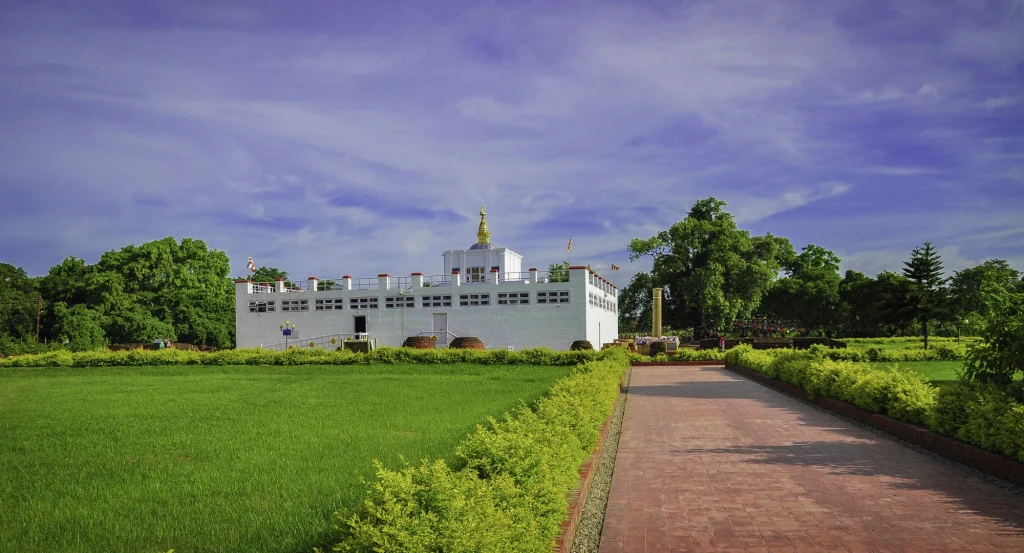
The most important attraction in Lumbini is the Maya Devi Temple, which marks the exact location where Siddhartha Gautama was born more than 2,500 years ago. This sacred temple is the heart of the Lumbini complex and the primary destination for Buddhist pilgrims from around the world.
According to historical records and Buddhist texts, Queen Maya Devi gave birth to Prince Siddhartha here while holding the branch of a tree in the garden.
Inside the temple, visitors can see the marker stone, which archaeologists believe identifies the precise birthplace of Buddha. The temple also contains ancient ruins, sculptures, and archaeological remains dating back centuries.
Highlights of Maya Devi Temple
- The sacred marker stone indicating Buddha’s birthplace
- Ancient temple ruins and archaeological structures
- Beautiful prayer flags and spiritual offerings
- A peaceful environment for meditation and reflection
Surrounding the temple are sacred ponds, ancient trees, and gardens where pilgrims often sit quietly to meditate. The calm atmosphere makes it one of the most spiritually powerful places in the world.
For anyone visiting Lumbini, the Maya Devi Temple is an essential stop and the most meaningful experience in the region.
Sacred Garden – The Spiritual Heart of Lumbini
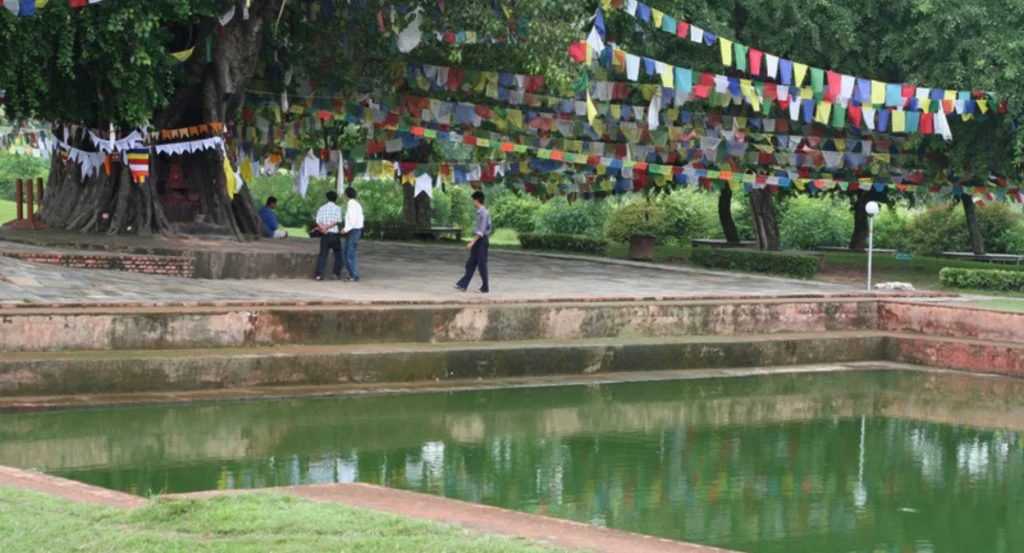
The Sacred Garden surrounds the Maya Devi Temple and forms the core of the entire Lumbini heritage site. This peaceful area is believed to be the ancient garden where Queen Maya Devi walked before giving birth to Siddhartha Gautama.
Today, the garden is a tranquil space filled with trees, meditation areas, prayer paths, and historic monuments.
Visitors often describe the Sacred Garden as the most calming place in Lumbini. The slow pace of life here encourages visitors to relax, reflect, and connect with the spiritual heritage of Buddhism.
What You Can See in the Sacred Garden
- Ancient archaeological remains
- Prayer paths used by pilgrims
- Meditation spots surrounded by nature
- Historic ruins connected to early Buddhism
Many monks and pilgrims visit this garden daily to meditate or walk quietly along the sacred pathways. The peaceful environment allows travelers to experience a deeper sense of mindfulness and reflection.
For photographers and nature lovers, the Sacred Garden also offers beautiful scenery and a serene atmosphere.
World Peace Pagoda – A Symbol of Global Harmony
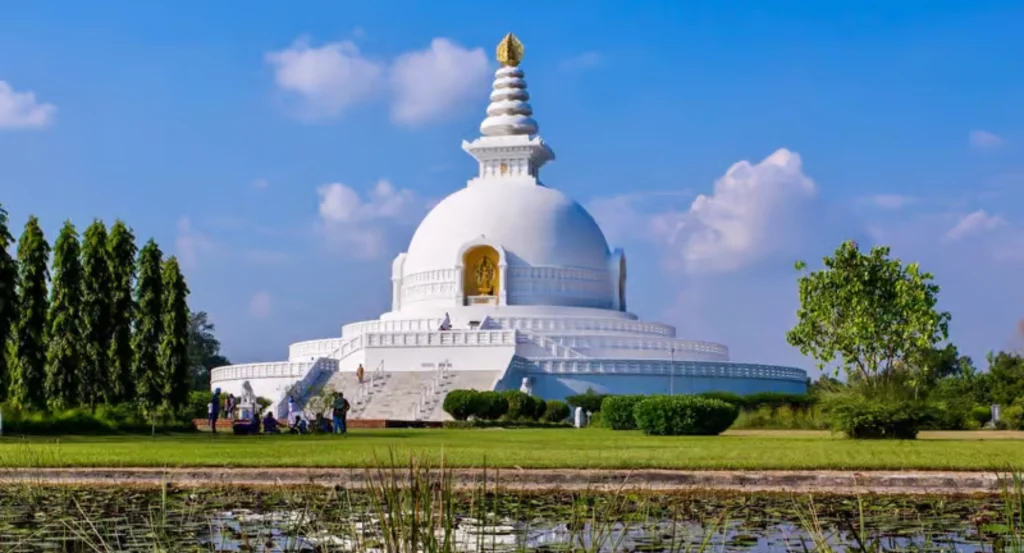
The World Peace Pagoda, also known as the Shanti Stupa, is one of the most visually impressive landmarks in Lumbini. Built by Japanese Buddhists, this bright white structure symbolizes peace, unity, and harmony across the world.
The pagoda stands as a reminder of Buddha’s message of compassion and non-violence.
Located slightly away from the main temple area, the pagoda offers visitors a quiet place to enjoy stunning views and peaceful surroundings.
Why Visit the World Peace Pagoda
- Beautiful white architecture
- A symbol of global peace and unity
- Calm surroundings ideal for meditation
- One of the best photography spots in Lumbini
Visitors often walk around the pagoda while spinning prayer wheels and reflecting on Buddhist teachings. The peaceful setting creates a powerful spiritual atmosphere.
The pagoda is especially beautiful during sunrise and sunset, when the soft light reflects off the white structure and creates a breathtaking view.
Lumbini Monastic Zone – International Buddhist Monasteries
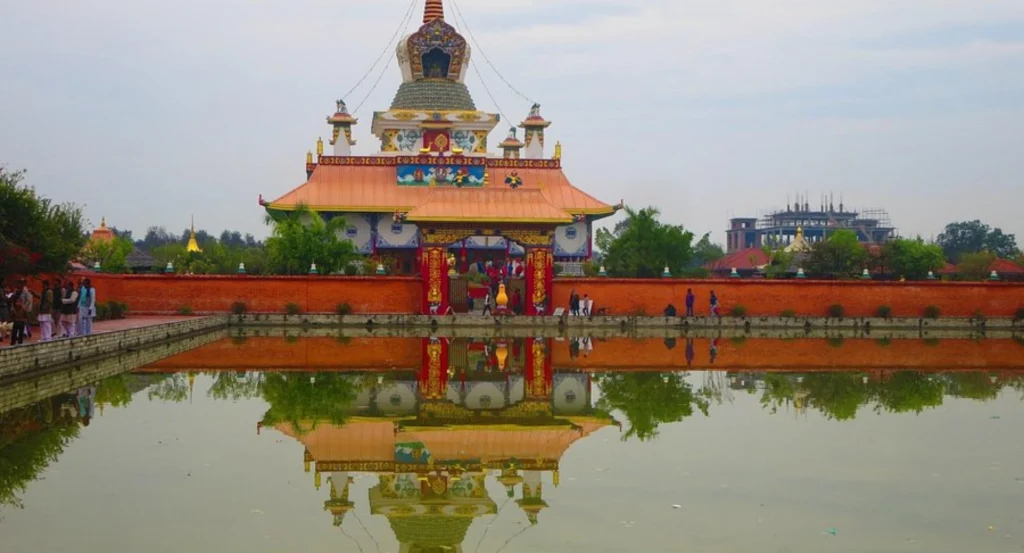
One of the most fascinating parts of Lumbini is the Monastic Zone. This large area contains monasteries built by Buddhist communities from different countries, each showcasing unique architectural styles and cultural traditions.
The zone is divided into two main sections: Eastern Monastic Zone and Western Monastic Zone.
Each monastery represents a different interpretation of Buddhist culture and art.
What Makes the Monastic Zone Unique
- Monasteries built by countries like Thailand, China, Germany, and Myanmar
- Distinct architectural styles reflecting national traditions
- Beautiful gardens and meditation spaces
- Opportunities to learn about global Buddhist culture
Walking or cycling through the Monastic Zone is one of the best ways to explore Lumbini. Visitors can observe monks practicing rituals, hear chanting in temples, and admire stunning architecture.
This area truly highlights how the teachings of Buddha have influenced cultures around the world.
Lumbini Museum – Discover the History of Buddhism
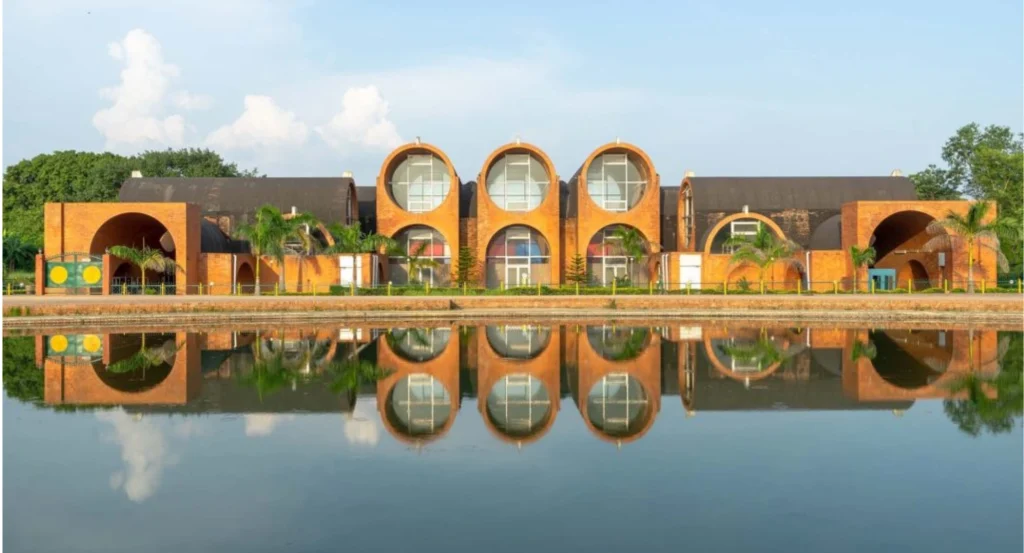
For travelers interested in history and culture, the Lumbini Museum is an excellent place to learn more about the origins of Buddhism and the life of Gautama Buddha.
The museum houses a wide collection of artifacts, historical objects, manuscripts, and archaeological findings related to Buddhist heritage.
Visitors can explore exhibits that explain how Buddhism spread from Lumbini to many parts of Asia and eventually around the world.
Highlights of the Lumbini Museum
- Ancient manuscripts and inscriptions
- Buddhist art and sculptures
- Archaeological discoveries from the region
- Educational displays about Buddhist history
The museum helps visitors understand the deeper historical significance of Lumbini beyond its spiritual importance.
For students, researchers, and curious travelers, this museum adds valuable context to the experience of visiting the birthplace of Buddha.
Best Time to Visit Lumbini
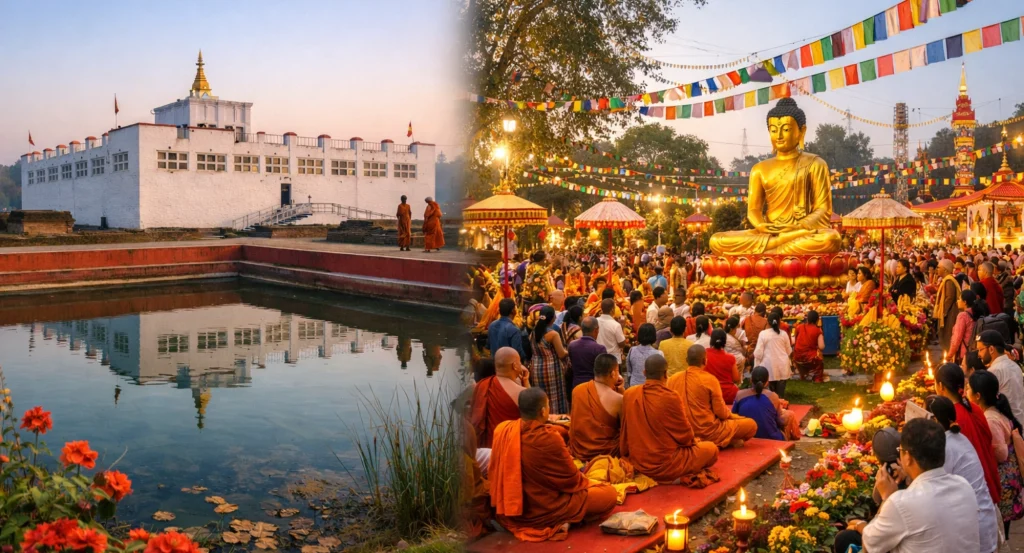
The best time to visit Lumbini is during the autumn and winter seasons, from October to March. During these months, the weather is pleasant and comfortable for exploring the heritage sites.
Summer months can be very hot because Lumbini is located in the Terai plains of Nepal.
Many travelers also choose to visit during Buddha Jayanti, which celebrates the birth of Gautama Buddha. The festival brings vibrant ceremonies, prayers, and cultural events to the region.
How to Reach Lumbini
Most international travelers arrive in Kathmandu before traveling to Lumbini. If you plan to spend time exploring the capital, check out our Kathmandu Travel Guide for Beginners 2026 to learn about temples, markets, and cultural landmarks.
By Air
The nearest airport is Gautam Buddha International Airport, located in the city of Bhairahawa. From there, Lumbini is about a 30-minute drive.
By Road
Travelers can reach Lumbini easily by bus or private vehicle from major cities such as:
- Kathmandu
- Pokhara
- Butwal
The road journey offers beautiful views of Nepal’s countryside.
Travel Tips for Visiting Lumbini
To make your trip more enjoyable, keep these tips in mind:
Wear Comfortable Clothing
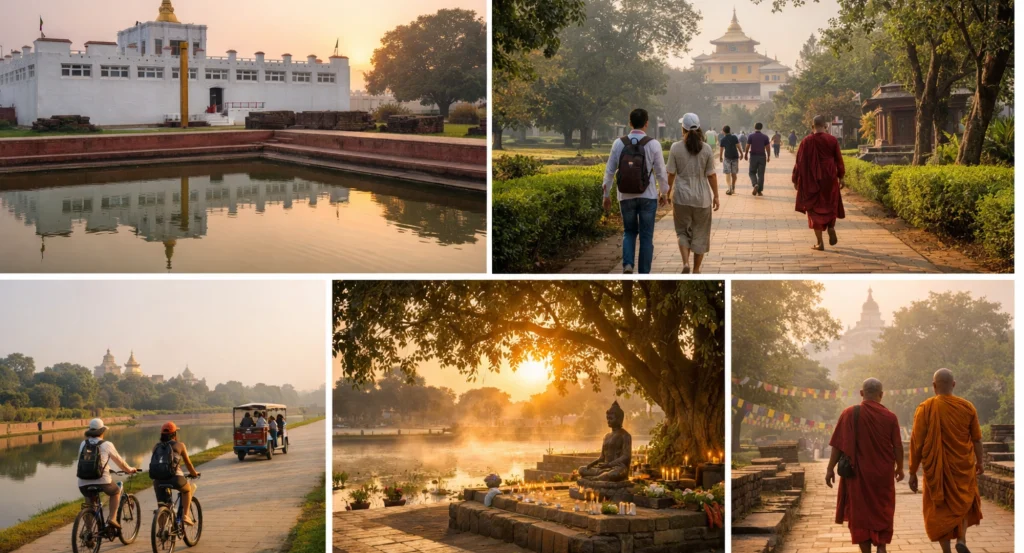
Exploring Lumbini often involves walking between temples, gardens, and monasteries such as the famous Maya Devi Temple. Comfortable shoes and light clothing will help you explore the heritage area more easily.
Respect Religious Customs
Since Lumbini is a sacred religious site, visitors should behave respectfully. Speak quietly, dress modestly, and follow temple guidelines to maintain the peaceful atmosphere.
Rent a Bicycle or Electric Vehicle
The Lumbini development area is quite large, so renting a bicycle or an electric rickshaw can make it easier to explore the monasteries and major attractions.
Carry Water and Sun Protection
The weather in Lumbini can be warm during the day. Bring water, sunscreen, and a hat to stay comfortable while visiting different sites.
Visit Early in the Morning
The best time to explore Lumbini is early in the morning or late afternoon. During these hours, the weather is cooler and the sacred sites are quieter. Morning visits also allow travelers to enjoy a calm spiritual atmosphere, which makes meditation and photography more enjoyable.
Final Thoughts
Lumbini is more than just a travel destination-it is a place of deep spiritual significance and historical importance. As the birthplace of Gautama Buddha, it attracts pilgrims, travelers, and scholars from around the world.
From the sacred atmosphere of the Maya Devi Temple to the peaceful gardens, impressive monasteries, and educational museum, Lumbini offers a unique experience that blends spirituality, culture, and history.
Before traveling to Nepal, it is important to understand the entry requirements for international visitors. You can read our detailed guide on Nepal Visa Requirements for Tourists (2026), which explains visa types, fees, and how long tourists can stay in Nepal.
FAQs
What are the best places to visit in Lumbini?
The best places to visit in Lumbini include Maya Devi Temple, the Sacred Garden, World Peace Pagoda, the Lumbini Monastic Zone, and the Lumbini Museum.
Why is Lumbini famous?
Lumbini is famous because it is the birthplace of Gautama Buddha. It is also recognized as a UNESCO World Heritage Site and a major pilgrimage destination for Buddhists worldwide.
How many days are enough to visit Lumbini?
Most travelers need 1–2 days to explore the main attractions in Lumbini, including the Maya Devi Temple, monasteries, and the World Peace Pagoda.
What is the best time to visit Lumbini?
The best time to visit Lumbini is from October to March, when the weather is cooler and more comfortable for sightseeing.
How far is Lumbini from Kathmandu?
Lumbini is about 260 km from Kathmandu. Travelers can reach it by flight, bus, or private vehicle.


